
Authenticity Over PR, Always
Not a perfect image, but a real voice.
Let’s start with a statement you’ve probably seen a hundred times.
“We take this matter very seriously and are committed to doing better. We value our customers and appreciate your patience.”
Did you feel anything reading that? Anything at all?
Yeah, neither did I.
We have become remarkably good at spotting a PR statement. We can tell when a caption was written by a committee, when an apology was approved by four lawyers, and when “we hear you” really means “please stop tweeting about us.” Just like ads, scripted polish has become something we instantly tune out.
Now picture a different post. A small founder, a bit shaky on camera, says: “We messed up your orders this week. It was our fault, not the courier’s. Here’s what went wrong, and here’s how we’re fixing it.”
Which one would you trust?
Exactly.
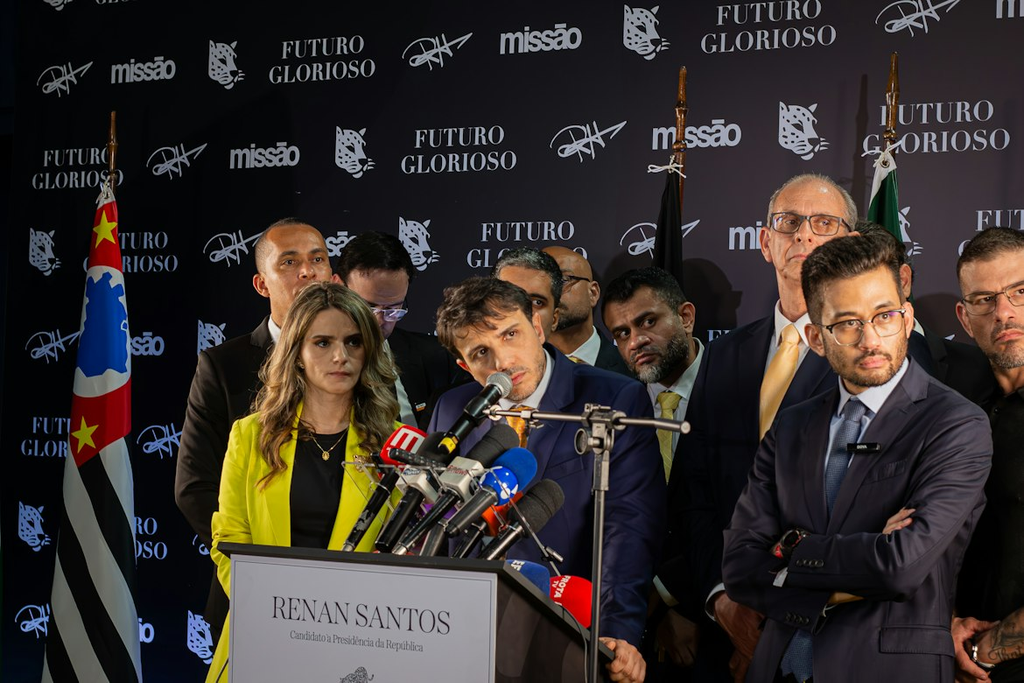
PR manages perception. Authenticity builds trust.
See, PR asks “how do we look?” Authenticity asks “what’s actually true?” One protects your image, and the other earns belief. And somewhere along the way, we forgot those aren’t the same thing.
When a brand sounds perfect all the time, it feels distant. Nobody wants to be friends with someone who never admits a mistake, never jokes and never says anything real. People want to feel like there’s an actual human on the other side of the screen.
And audiences can tell. We’ve watched brands recite the same stock phrases for years: “we’re passionate about…”, “we’re on a journey…”, “we’re excited to announce…”. Once people feel managed, they stop listening. Same story as ad-blindness, just pointed at brands instead of ads.
So what does authenticity actually look like?
- Owning mistakes quickly, in plain words. No “unfortunate circumstances”, just “we got it wrong.”
- Showing the messy middle. Not just the highlight reel, but the late nights, the failed attempts and the behind-the-scenes chaos.
- Having a real voice. Opinions, a bit of humor, and a way of talking that couldn’t belong to any other brand.
And what it isn’t: oversharing for attention, or turning vulnerability into a tactic. A tearful video that’s clearly staged for engagement? That’s not authenticity. That’s PR in a hoodie.

If you’re a small business
You have the biggest advantage and you probably don’t realize it. You’re close to your customers. You can reply to a complaint personally, name the person who packed the order and say “sorry, that’s on us” without a three-day approval chain.
Don’t try to sound like a big company. The moment your Instagram starts reading like a corporate newsletter, you’ve thrown away the one thing big brands can’t copy. Show the faces, the workspace and the honest stories. Customers of small businesses aren’t just buying a product, they’re buying a person they trust.
If you’re a creator
Your audience didn’t follow a brand. They followed you. And that’s exactly why faking it is so risky.
The pressure is real: sponsorships, trends and the algorithm all push you to polish, perform and say what sells. But audiences notice when you start sounding like a script, especially when you suddenly love a product you’ve never mentioned before. Be upfront about sponsorships, and only promote what you’d actually use. Say “I wasn’t sure about this, but here’s my honest take” when that’s the truth.
Trust is your whole currency. You can lose it with one fake recommendation, and rebuilding it takes far longer than earning it did.
If you’re a bigger brand
This is the hardest one, and honestly the most important. You have legal teams, shareholders, and reputational risk. Every word goes through a filter, and that filter is exactly why you sound so robotic.
But here’s the thing: audiences don’t expect a big company to be flawless. They expect it to be honest. Think about the brands people actually respect. They’re the ones that admit a mistake in one clear sentence instead of five vague paragraphs, and speak like humans on social media instead of press releases. You don’t have to share everything, but everything you share has to be true.
You can’t be small, but you can stop sounding like you’re hiding behind a wall.
“But what about reputation risk?”
Fair question. Authenticity doesn’t mean saying everything. It means that whatever you say is true. There’s still a place for PR in timing, tone and clarity, but it should be the packaging, never the content. The moment PR starts replacing the truth, people notice.
Back to that statement
Remember “we take this matter very seriously and are committed to doing better”?
Now compare it to “we got it wrong, and here’s how we’re fixing it.”
One of them sounds like a brand. The other sounds like a person. And people forgive mistakes, but they rarely forgive being managed.