
Why Nostalgia Sells & Why it’s Worth it
The Comfort of Yesterday, a Trip Back Home.
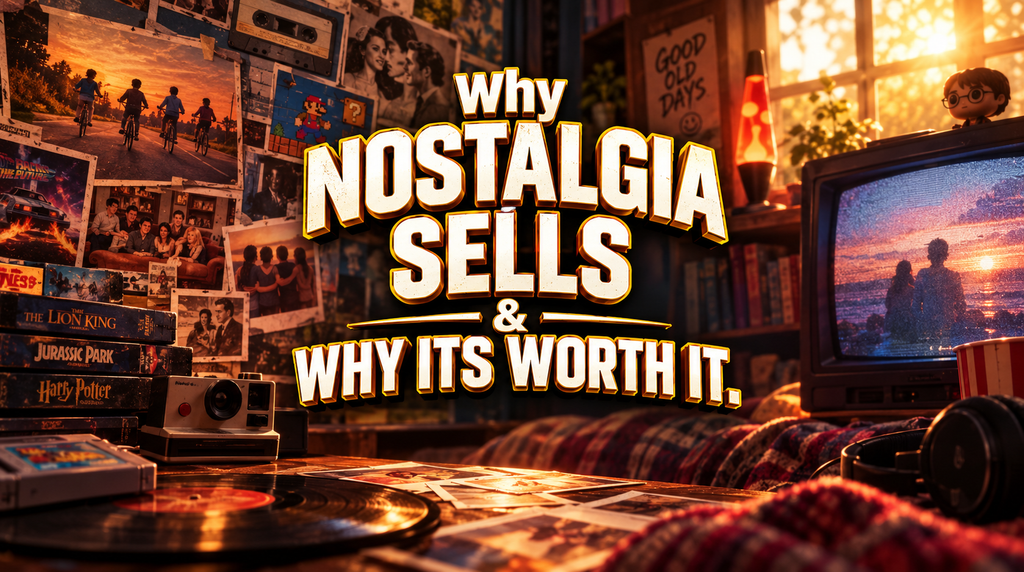
You’re walking past a small shop, minding your own business, when it hits you.
A few notes of an old ad jingle, drifting out of someone’s speaker.
And just like that, you’re ten years old again. You’re standing at a little kiosk with crumpled pocket money in your fist, trying to decide between two candies, while a friend taps their foot impatiently beside you. The sun is low and school is over. Nothing on earth is more urgent than this decision.
You didn’t plan to feel any of this. You came out for groceries. And yet, there you are, smiling at a jingle.
How does a few seconds of music do that?
It was never about the thing
Here’s the secret most people miss. When we say we miss an old chocolate bar, a cartoon, or a video game, we don’t really miss the thing.
We miss who we were when we had it. The age, the friends, the afternoons with nothing to worry about. The product was just the doorway, and the feeling was the room behind it.
That’s why a snack in its old wrapper can make a grown adult go quiet in the middle of a supermarket. It’s not the taste. It’s a small, sweet reunion with a version of yourself you haven’t visited in years.
And that, in a nutshell, is why nostalgia sells. Brands that bring back the past aren’t really selling products. They’re selling a feeling.
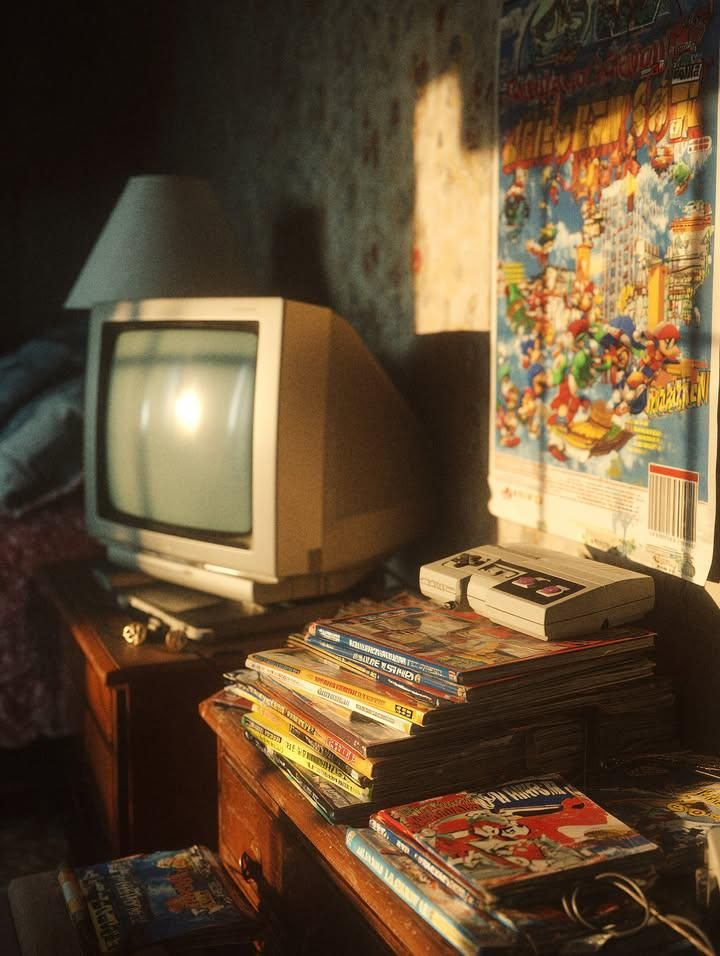
Why your brain does this
There’s a reason a tune, a smell or a font can pull you back in time so fast.
Memories that are tied to emotion, and to our senses like music, taste and smell, tend to stick harder and come back faster. So when you hear an old jingle or see a familiar color, your brain doesn’t stop and analyze it. It skips the “should I trust this?” step and goes straight to comfort.
Familiar feels safe, and safe feels good. That’s a powerful combination to have on your side.
A shortcut past ad-blindness
Remember how we’ve all built up an immunity to ads? We can smell a pitch from a mile away, and we scroll past it before it finishes loading.
Nostalgia slips in through a different door.
A throwback doesn’t feel like a sales pitch. It feels like a reunion. Instead of “Hey, buy this!”, it says “Hey, remember this?” And that tiny difference lowers a guard that years of relentless selling has built up.
Think about it. You’d happily stop to watch an old ad from your childhood, even though it’s, well, an ad. You’d probably send it to three friends with “OMG remember this??” No pop-up could ever do that.
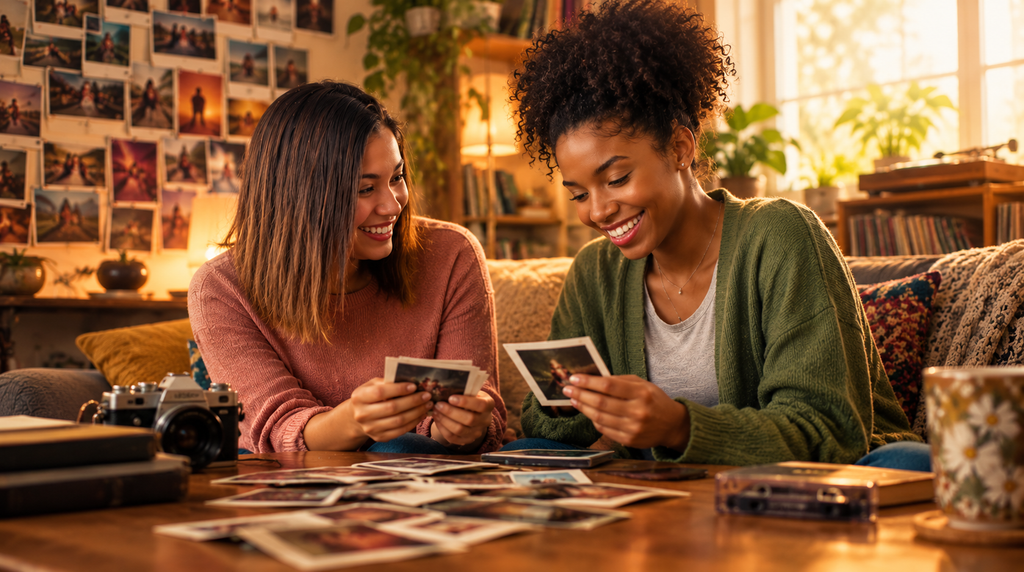
How brands use it
Once you start noticing, it’s everywhere:
- Bringing products back. Retro flavors, old-style packaging and limited re-releases that make people say “wait, they still make this?!”
- Old sounds and visuals. Jingles, classic fonts, throwback color palettes and mascots we grew up with.
- Throwback campaigns. Callbacks to old shows, games and school-day moments that make an entire generation feel seen.
- Shared experiences. “If you remember this, you were there.” Few things build a bond faster than a memory only your people understand.
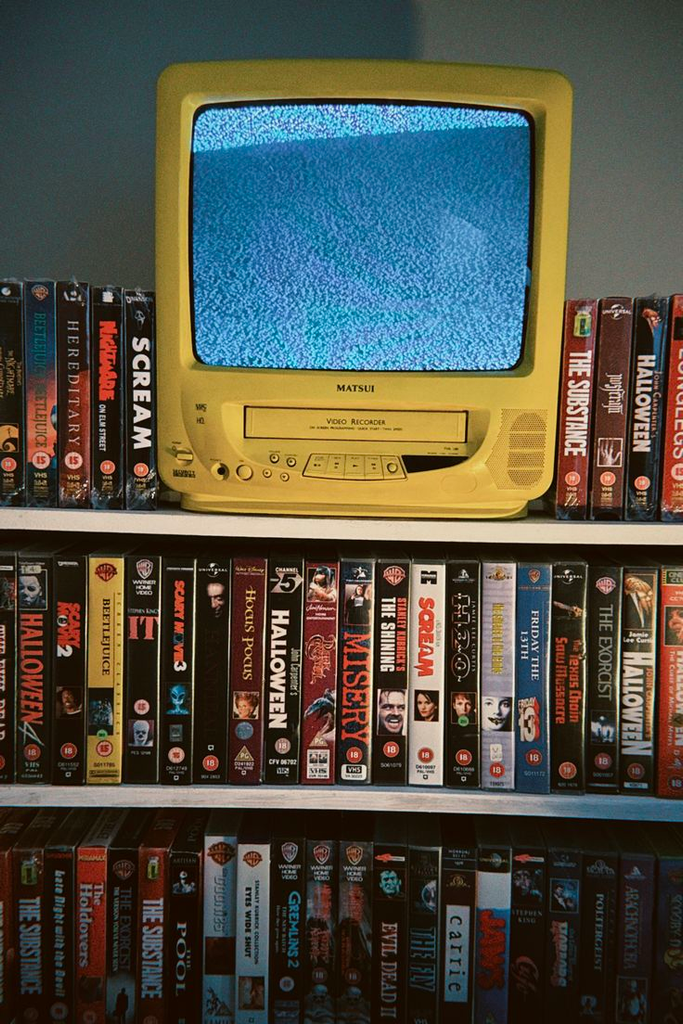
The trap: when nostalgia goes wrong
Here’s where it gets tricky.
Slap “retro vibes” on a brand with no real history, and it feels like a costume. People can tell when a throwback is just a trend, and an empty one falls flat just as quickly as a fake apology.
It also has limits. Nostalgia can’t be the only thing a brand has, because once the memory fades, there needs to be a good product underneath. And it can leave out newer audiences who weren’t there for the original, so they might just see something old.
Same lesson as always: it works when it’s honest.
If you’re a small business
You probably have more nostalgia than you realize. The family recipe your grandmother started with. The shop’s very first location. The old signboard that everyone in the neighborhood remembers. The regular who’s been coming for twenty years.
Don’t hide that history. Tell the stories behind it, with old photos, original recipes and “how it all started” posts. People don’t just buy from a small brand, they buy into its story, and a story with real roots is one that no big company can copy.
If you’re a creator
“Remember when…” might be one of the most powerful phrases you have.
A video about old cartoons, school-day habits, vanished gadgets or the games we all played does something special: it makes your audience feel like they’re in the same room, sharing the same memory. Followers turn into a community, because shared memories are shared belonging.
Just remember that the best nostalgia posts aren’t copied from a trending list. They’re the ones where you actually lived it and tell it that way.
If you’re a bigger brand
You have the heritage, the archives and the recognition. A classic mascot, a retired flavor or a decades-old tune is a treasure that newer competitors simply can’t buy.
But with that comes a responsibility. Nostalgia can bring people back once. What makes them stay is a product that’s still worth the wait. If the memory is better than the experience, the throwback becomes a disappointment, and that’s a hard feeling to sell your way out of.
Back to the jingle
Remember the shop, the speaker and the old tune?
You probably didn’t buy anything that day. But you walked a little lighter for a few minutes, and you now have a soft spot for whatever brand was behind that sound.
That’s the quiet power of nostalgia. It doesn’t sell the past. It sells the feeling of being home.