
Why Consumers Ignore Ads & What to Do About It
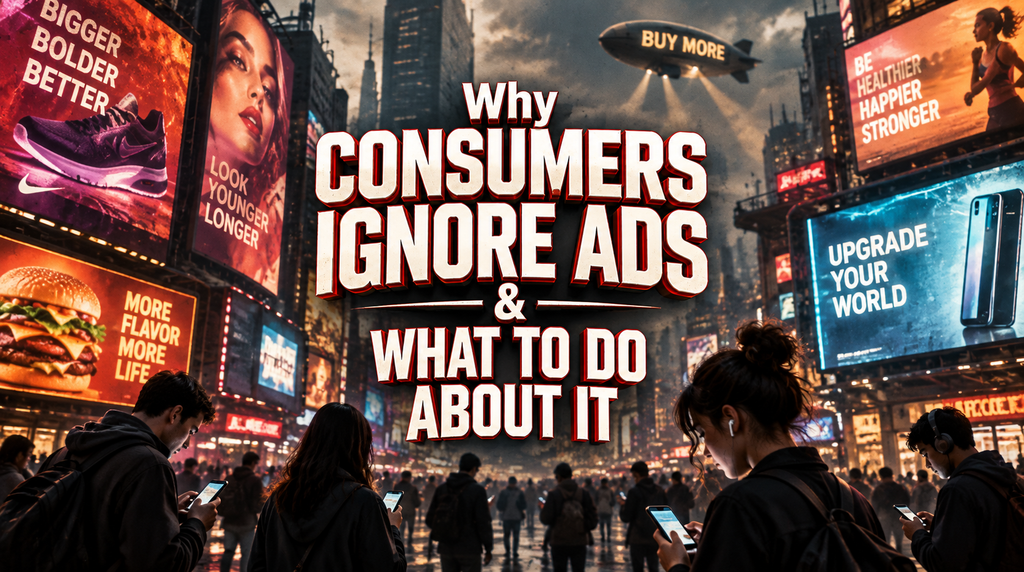
We have become remarkably good at ignoring ads.
We can immediately sense whether a reel or a post on Instagram is sponsored, and we instantly scroll past them even when we’re doom-scrolling, some of us try to click on the “X” mark on website ads even if they aren’t blocking the view of anything, and some can sense an advert coming right before it pops up on the screen!
Somewhere along the way, ignoring ads became a learned behavior. How?
See, you would sit in front of the TV to watch your favorite show — how did you feel when the climax to the story was approaching — you’re eager, nervous even, contemplating what would happen next, and then…
CUT! An advert is thrown your way.
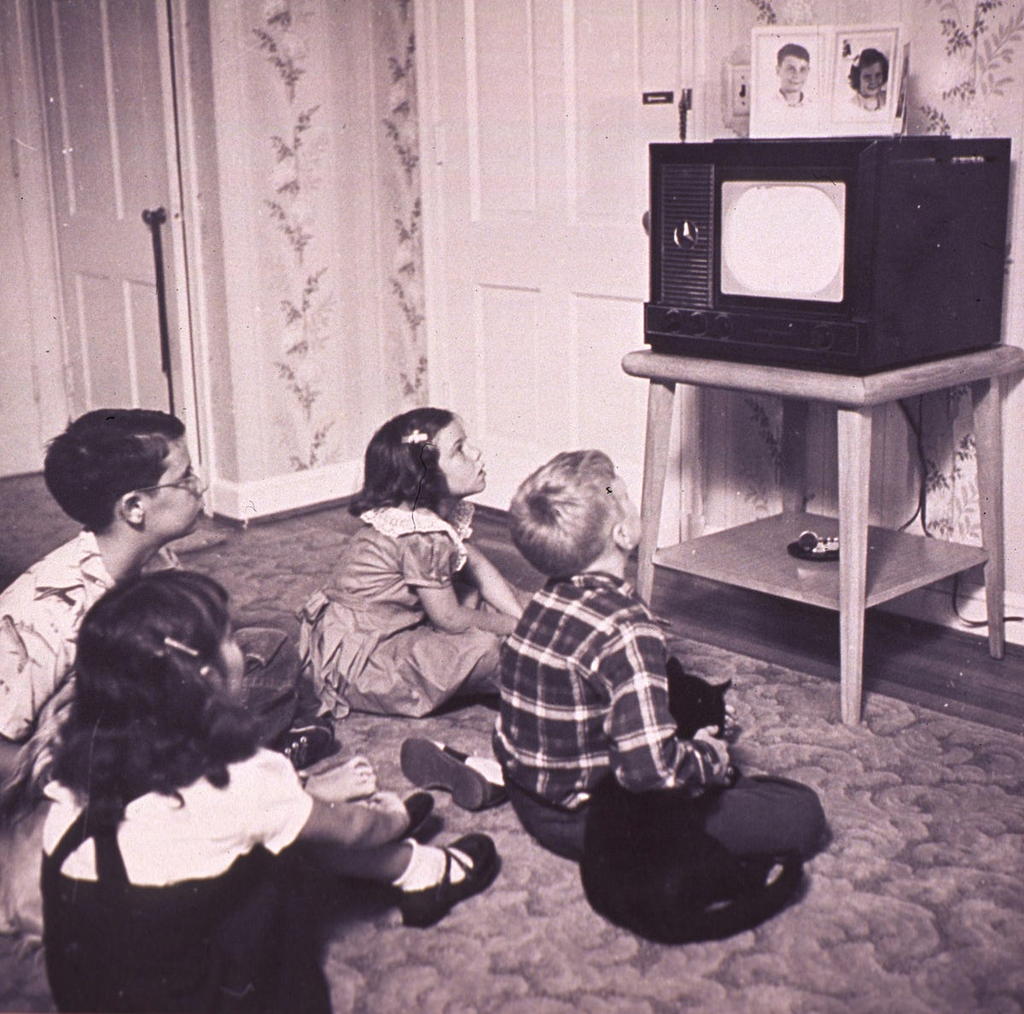
“Ahh dammit! I wanted to see what would happen next!”
When the ads start rolling, naturally you’d get up, go and get some chores done, maybe get a snack or two for when the show is on again, or unload your biological water tank while the ads are at it. Ever wonder why?
You came for the show, not for the ads.
This is called perceived goal impediment, ads getting in the way of what you were trying to do.
Or, remember when you visited a website to download something or just read the news? Boom. Bombarded with ads and pop-ups, right from the get go. Chances are, so many “X”s to click to finally declutter your view of the website.
All those annoying ads, they feel like distractions — distractions your mind has to spend energy to ignore. So if you notice yourself closing them all down (even if they aren’t blocking anything relevant on the website), it’s your mind doing its thing to save energy and solely focus on what you visited the site for.
You were there to get what you wanted, and the ads kept getting in your way one way or another.
Whenever you played mobile games — those quirky, low-effort, but somehow fun types, you’ll get to see an arrangement where you can try again after a loss if you watch an ad.

You lost a match? Watch an ad.
You want more resources? Watch an ad.
You want more of whatever potion, army or just more playtime? Watch an ad.
Either that, or pay up for all that stuff you want buddy!
The game was free, but the ads were charging you for it — with your time.
Modern ads keep coming between you and what you want. And they’re all out there for the same thing — to get YOU to pay attention, and hopefully that’d get you to buy something from them. No wonder we are all so resistant to ads, even a clever ad loses its charm the moment we realize it’s an ad.
It’s a weird thing, really. Looking back at it, it seems obvious, but who’d have thought that relentless selling over the decades would build such a strong immunity to ads?

So, what do we do about it?
If you’re a brand, this might feel a little hopeless. Everyone’s immune, the scroll is fast, and the “X” button is quicker than your headline.
But here’s the good news: people haven’t stopped caring about content. They’ve stopped caring about being sold to. Those are very different things, and that gap is exactly where you can work.
Let’s walk through it.
Step 1: Don’t Sell.
Yes, I know. Strange advice, coming from a blog about marketing.
But think about the last time you stopped scrolling on purpose. Was it because someone said “BUY NOW, 20% OFF”? Or was it because someone showed you a quick trick, told a funny story, or explained something you’d always wondered about?
Exactly.
A bike shop that posts “how to fix a flat in under three minutes” isn’t selling anything in that video. But guess who you’ll think of when your tyre goes flat? A spice brand that shows you how to make a restaurant-style curry at home? Nobody’s pushing a product there, and yet you quietly learn which masala makes the dish work.
People don’t ignore useful things. They ignore pitches.
So the first rule is to make something your audience would be happy they found, even if they never buy a thing from you. Teach, entertain or make them feel understood. The sale can come later, and it usually comes easier.
Step 2: Stop Getting in the Way.
Remember perceived goal impediment? Ads that block what people were trying to do?
Flip it. Instead of interrupting the show, become part of the show.
An ad that shows up in the middle of a cliffhanger is a roadblock. But a video that shows up when someone is searching for exactly that topic is a signpost. Same brand, completely different feeling.
So ask yourself: what is my audience trying to do right now? What are they looking for? If you can show up alongside that goal, helping it along instead of pausing it, you’re no longer the thing in their way.
And if you can’t help but interrupt, at least keep it short, skippable and relevant. Respect the “X” button, because they’ll use it anyway.
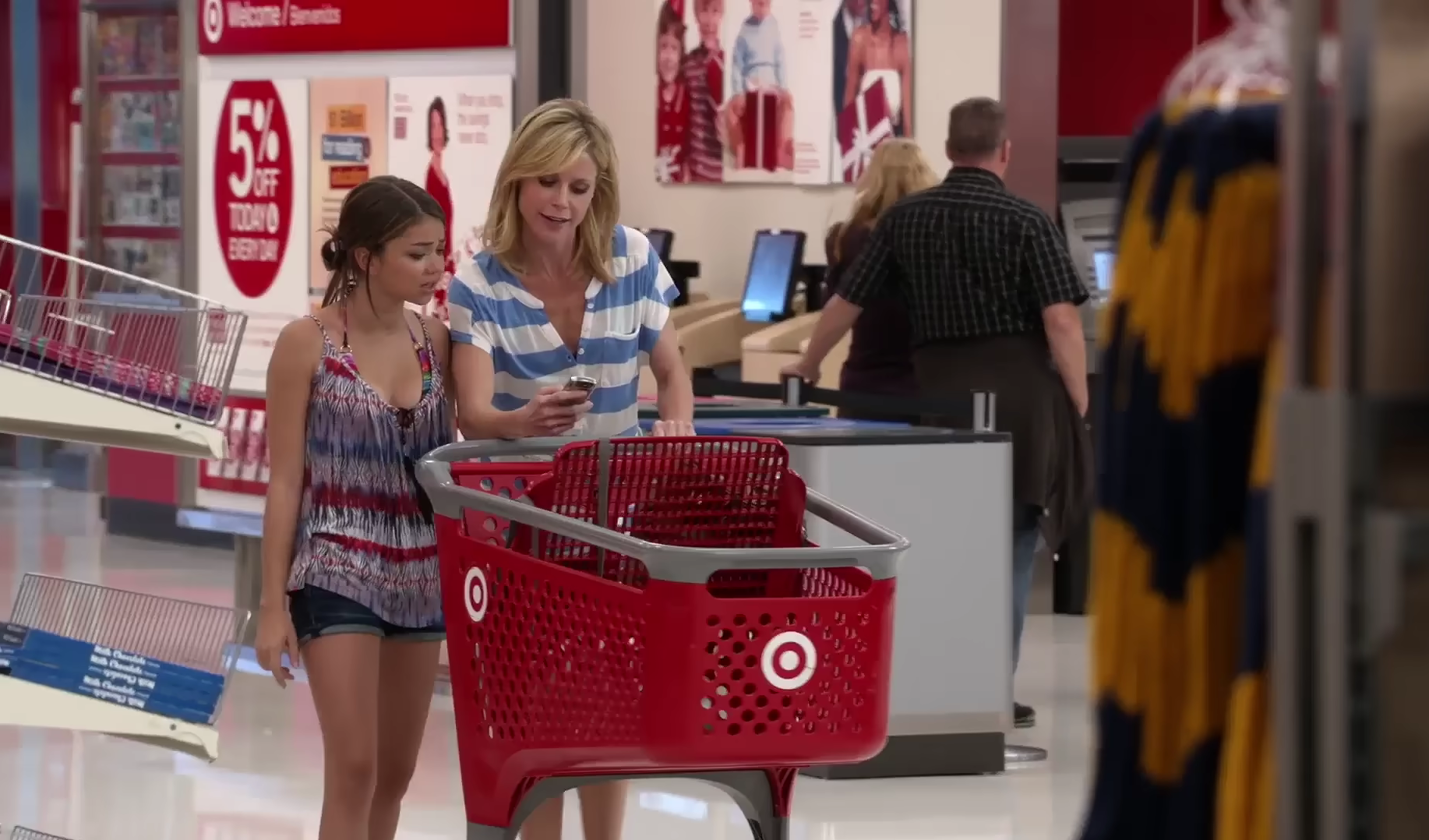
EXPRESS CHRISTMAS
Season 3, Episode 10,
Modern Family
Step 3: Pay With Value, Not Their Time.
Remember the mobile game that was free, but charged you in ads?
Here’s the lesson: your audience is already paying you with their attention, and that’s expensive. Every second they give you is a second they could’ve spent on something else.
So make it worth it. If you ask for 30 seconds of someone’s time, give them 30 seconds of something good: a laugh, an idea, a tip, a story. People will happily give their time to things that give something back. It’s only when they feel robbed of that time that they start ignoring you.

Step 4: Sound Like a Person.
Here’s a line from earlier that I want to bring back: even a clever ad loses its charm the moment we realize it’s an ad.
That moment of realization is usually triggered by the voice. The glossy tone, the exaggerated promises, the “we’re thrilled to announce” energy. We’ve heard it a thousand times, and our brains flag it immediately.
So drop the script. Talk like you’d talk to a friend, admit when your product isn’t perfect for everyone, and say “here’s what actually works” instead of “revolutionary, game-changing solution.” When people feel like there’s a human behind the message, they’re far more willing to listen.

Step 5 — Talk to the Right People
Remember banner blindness? Our eyes skip over anything that looks like an ad, especially when it isn’t relevant to us.
Most ads fail not because they’re bad, but because they’re aimed at everyone. And when something is made for everyone, it feels like it’s made for no one.
So get specific. Pick one person you’re trying to reach, understand their problem, and speak directly to it. A message that makes someone think “this is exactly what I needed” will get through any amount of ad-blindness.

Back to the TV Show
Let’s go back to that cliffhanger. You were on the edge of your seat, and then — CUT. An ad.
Now imagine that, instead of an ad that dragged you away from the story, the break gave you something you actually enjoyed. Something short, something funny, something that felt like part of the evening instead of a pause in it.
Would you have gotten up to unload your water tank? Maybe not.
We aren’t ignoring ads because we’re cold or cynical. We’re ignoring them because most of them gave us nothing in return. The brands that win from here won’t be the ones that shout the loudest. They’ll be the ones that make people glad they stopped to look.
So, don’t sell. Help, entertain, show up at the right time, and sound human. The immunity to ads is real, but it was never an immunity to good things.